Close announcement bar
Alert
Notice
We’re aware of an issue affecting the address finder on some forms. This is linked to a problem with an external service, which may mean you’re unable to complete your report or application at the moment. We’re monitoring the situation closely and will provide updates as soon as possible. Please try again later. We apologise for any inconvenience.

Knife crime in Essex falls amid focus on hotspot patrols and prevention
Main article content
“Every knife offence prevented is potentially a life saved.”
The head of our Serious Violence Unit is speaking as the number of serious violence incidents involving knives has fallen by more than 15% over the past 12 months.
Across the past 12 months, we’ve recorded 858 serious violence incidents involving knives, compared to 1,021 in the previous year.
Superintendent Neal Miller said:
“We know that every serious knife crime incident is a life which is significantly impacted.
“But equally, every offence prevented represents a life protected, and while we are encouraged by the continued reduction in knife crime, we know there is more work to do.
“Our officers and staff are relentlessly focused on those who carry knives, those who use violence, and on protecting communities from harm.
“At the same time, we are committed to prevention and that means working with partners to identify people at risk and steer them away from choices that could have life changing consequences.”
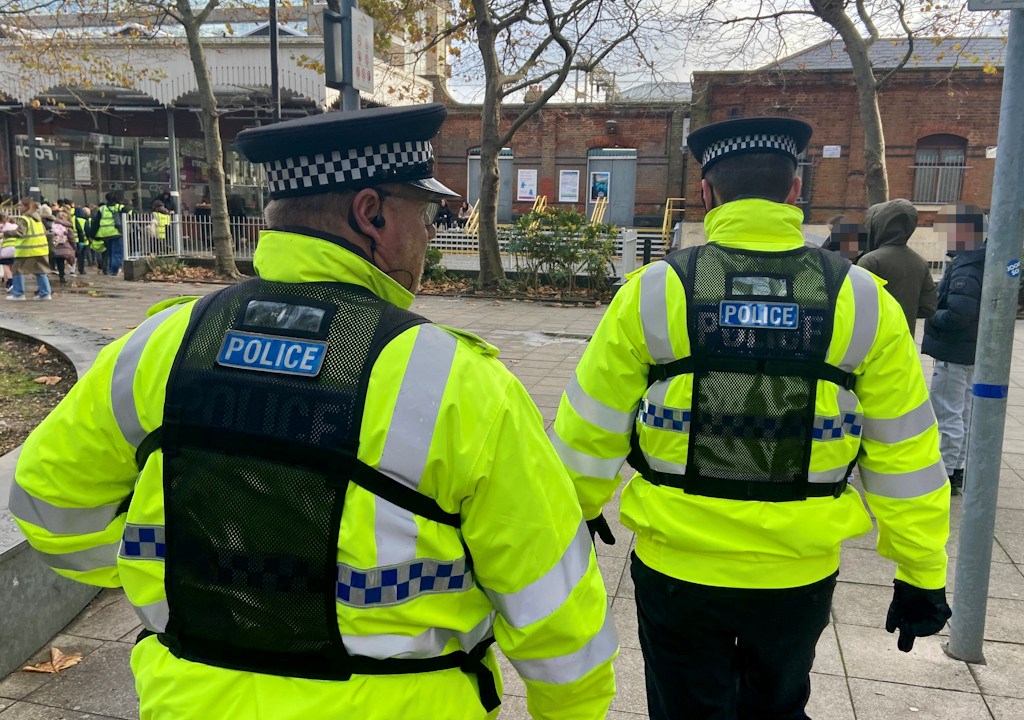
A key element of our approach to tackling serious violence is hotspot policing, which focuses resources on locations and times where serious violence is most likely to occur.
&w=1024&h=720&scale=both&mode=max)
Key hotspot areas
We identify these areas using detailed analysis of crime data and officers are deployed proactively to areas where knife crime and violence are concentrated.
This means we consistently have a visible and timely policing presence.
Across Essex, we have ten key hyperlocal areas where our hotspot resources are focused, including in Tilbury, Grays, Southend, Basildon, Chelmsford, Colchester and Clacton.
Supt Miller added:
“This data led approach allows is to place the right officers, in the right places, at the right times.
“It allows us to anticipate risk, intervene early and ultimately disrupt the circumstances which enable crime. We want to target the causes, not the symptoms.”
&w=1024&h=1963&scale=both&mode=max)
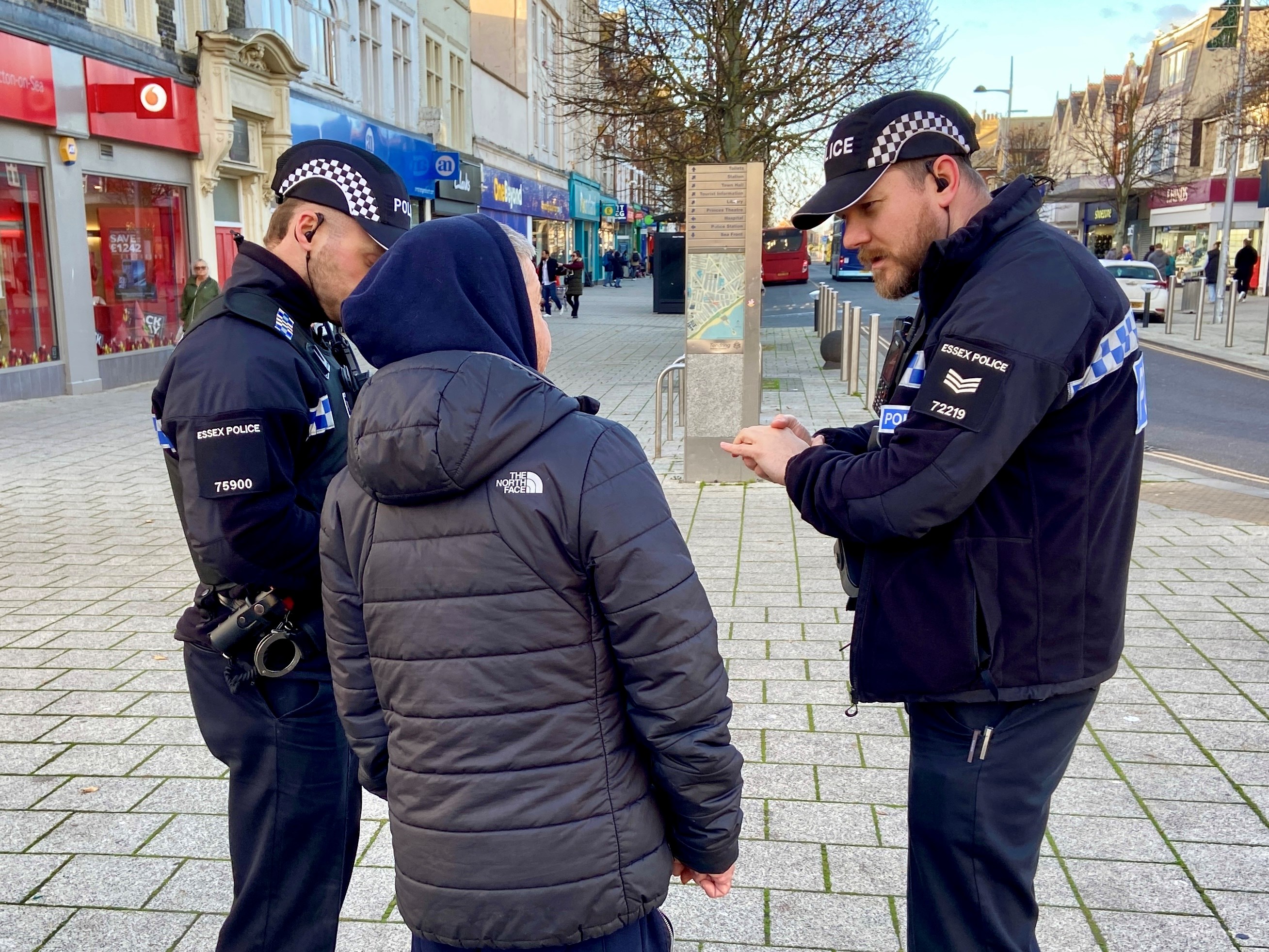
Alongside our enforcement activity, we’re also continuing to work hard on prevention and early intervention with young people to ensure they are given the best-possible chance to be diverted away from criminal lifestyles before they either cause or come to serious harm.
This includes education around the dangers of carrying knives, intervention programmes for vulnerable young people, and support for families affected by violence.
Supt Miller added:
“Tackling knife crime is not something policing can do alone and there is no single solution. Reducing knife crime takes a whole system approach and that means that police, local authorities, schools, health services, the voluntary sector, parents and communities all have a role to play.
“By working together, sharing information and intervening early with repeat offenders or higher-risk individuals we can continue to reduce violence and make Essex a safer place for everyone.
“All of this work aims to reduce the likelihood of crime occurring, rather than simply responding to it afterwards.
“Of course, none of this takes away from the significant impact which even a single knife crime incident can have, firstly, on a victim and their family but also on the community in which they take place.
“Statistics can never replace how people feel; that is what matters. I know people want to feel safe when they go out, whether that’s with friends socially or with their children on weekends and holidays – this is the true test.
“I can promise we’ll continue to work determinedly to drive knife crime down further and ensure our county is even safer.”
Protecting vulnerable people
We work alongside Essex Violence and Vulnerability Unit (VVU), which is made up of public service and local organisations.
They share a common goal of protecting young and vulnerable people and preventing their involvement in violent crime.
Worried about a friend?
Are you worried that a friend or someone you know may be being exploited through County Lines or organised criminal activity?
Maybe they are returning home late, staying out all night or even going missing for days or weeks at a time.
Are they suddenly being secretive about who they are talking to or where they are going?
Or perhaps you’ve noticed they have large amounts of money on them, or new clothing, jewellery or phones they wouldn’t be able to afford.
Through Fearless, young people can pass on information 100% anonymously to get help.
If you need help from police, call 101 or, if it's an emergency, always call 999.